1

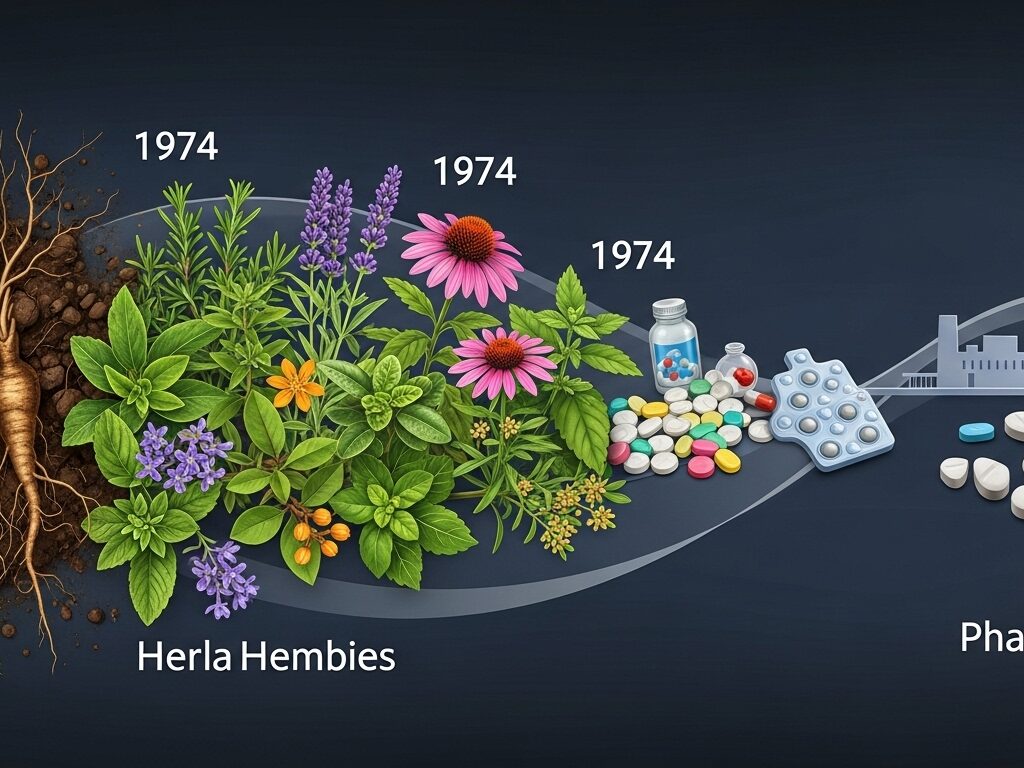
Traditional Herbal Remedies vs Modern Botanical Science: How Technology Improves Herbal Effectiveness

Explore how modern botanical science and technology enhance traditional herbal remedies for safer, more effective natural wellness solutions.

For centuries, traditional herbal remedies have played a vital role in maintaining health and treating illness across cultures. From turmeric in Ayurvedic medicine to ginger and chamomile in African and European traditions, plants have long been trusted for their healing properties. Today, modern botanical science is taking this ancient wisdom a step further—using technology to improve the effectiveness, safety, consistency, and reliability of herbal products.

For health-conscious women, herbal beginners, and fitness enthusiasts seeking natural solutions, understanding the difference between traditional herbal medicine and modern botanical science can help you make more informed wellness choices. This article explores how technology enhances herbal effectiveness while preserving the natural benefits that have stood the test of time.


🌿 Understanding Traditional Herbal Remedies

Traditional herbal remedies are rooted in indigenous knowledge passed down through generations. These remedies rely on whole plants—leaves, roots, bark, flowers, or seeds—prepared as teas, powders, poultices, or infusions.

Key Characteristics of Traditional Herbal Medicine

  • Based on ancestral knowledge and observation
  • Uses whole herbs rather than isolated compounds
  • Focuses on holistic healing (mind, body, and spirit)
  • Often customized to the individual

For example:

  • Turmeric has been used for centuries to support joint health and reduce inflammation
  • Ginger has traditionally aided digestion and nausea
  • Chamomile has been valued for calming the nerves and supporting sleep

These remedies remain powerful, but traditional methods often vary in strength, purity, and dosage—leading to inconsistent results.


⚗️ The Rise of Modern Botanical Science

Modern botanical science bridges the gap between tradition and technology. It applies scientific research, laboratory testing, and advanced processing techniques to herbal medicine—without stripping away its natural essence.

What Makes Botanical Science Different?

Modern herbal formulations rely on:

  • Standardized extraction methods
  • Quality control and lab testing
  • Precise dosing
  • Advanced delivery systems

This evolution allows herbal products to be:

  • More potent
  • More consistent
  • Safer for long-term use
  • Easier to integrate into daily life

🔬 How Technology Improves Herbal Effectiveness

1. Standardization for Consistent Results

One of the biggest limitations of traditional remedies is variability. Two turmeric roots may look the same but contain different levels of curcumin—the compound responsible for turmeric’s anti-inflammatory benefits.

Modern botanical science solves this through standardization, ensuring:

  • Each dose contains a consistent level of active compounds
  • Users experience reliable and repeatable benefits
  • Products meet wellness and safety expectations

This is especially important for people using herbal products for inflammation, digestion, or fitness recovery.


2. Advanced Extraction Techniques

Traditional methods like boiling or soaking herbs extract only a portion of beneficial compounds. Modern technology uses methods such as:

  • Water-based extraction
  • Alcohol or glycerin extraction
  • Low-heat processing

These techniques:

  • Preserve delicate plant compounds
  • Increase bioavailability (how well your body absorbs herbs)
  • Enhance overall herbal effectiveness

For example, modern turmeric extracts are designed to improve absorption—making them far more effective than raw turmeric alone.


3. Improved Absorption & Bioavailability

One major advancement in botanical science is improving how herbs work inside the body.

Some herbal compounds are powerful but poorly absorbed. Technology now helps by:

  • Pairing herbs with natural absorption enhancers
  • Using micro-processing techniques
  • Creating herbal blends that work synergistically

This means:

  • Faster results
  • Less waste
  • Better value for consumers

For fitness enthusiasts, this is especially valuable for muscle recovery, inflammation reduction, and energy support.


4. Safety Testing & Quality Assurance

Traditional herbal remedies often relied on trust and experience alone. While effective, they lacked standardized safety measures.

Modern botanical science introduces:

  • Contaminant testing (heavy metals, pesticides)
  • Purity verification
  • Shelf-life stability testing

This makes herbal products:

  • Safer for women aged 30–50
  • More reliable for long-term wellness use
  • Suitable for beginners new to herbal medicine

Safety and transparency help build trust—an essential part of modern herbal wellness.


🌱 Tradition Meets Innovation: The Best of Both Worlds

Modern herbal medicine doesn’t replace traditional wisdom—it refines and enhances it.

Traditional RemediesModern Botanical Science
Whole plant usageStandardized extracts
Cultural knowledgeClinical research
Variable potencyConsistent effectiveness
Handmade preparationsControlled manufacturing

When combined, they create herbal products that are:

  • Rooted in tradition
  • Backed by science
  • Designed for modern lifestyles

🍵 Herbal Teas: Where Tradition & Science Align Perfectly

Herbal tea is one of the best examples of how ancient remedies meet modern refinement.

Today’s herbal tea blends are:

  • Carefully formulated for specific health goals
  • Measured for consistent strength
  • Blended to enhance taste and effectiveness

Popular modern herbal tea uses include:

  • Hormonal balance for women
  • Digestive support
  • Stress relief and relaxation
  • Natural inflammation control

Technology ensures each cup delivers dependable wellness benefits—without losing the comforting ritual of traditional tea.


💊 Modern Herbal Formats for Everyday Life

Technology has expanded how herbs are used beyond traditional teas and powders. Today’s botanical products include:

  • Herbal capsules and tablets
  • Concentrated extracts
  • Functional tea blends
  • Botanical powders for smoothies

These formats make herbal wellness:

  • More convenient
  • Easier to dose
  • Suitable for busy lifestyles

For beginners, these options remove the guesswork while preserving natural benefits.


💰 Cost-Effectiveness & Long-Term Value

Modern botanical science also improves cost efficiency. While high-quality herbal products may cost more upfront, they often:

  • Require smaller doses
  • Deliver more reliable results
  • Reduce reliance on multiple supplements

This makes modern herbal products a smart long-term investment in natural wellness.


🌿 Choosing the Right Herbal Products

When selecting herbal remedies, look for brands that:

  • Respect traditional herbal knowledge
  • Use modern scientific processing
  • Prioritize safety, transparency, and quality
  • Clearly explain ingredients and benefits

The best herbal products combine nature, science, and integrity.


🌱 Conclusion: A Smarter Way to Experience Herbal Wellness

Traditional herbal remedies laid the foundation for natural healing, while modern botanical science has elevated their effectiveness, safety, and accessibility. Together, they offer a powerful solution for today’s wellness needs—especially for women seeking balance, beginners exploring herbal medicine, and fitness enthusiasts looking for natural recovery support.

By choosing herbal products that blend tradition with technology, you’re embracing the past while benefiting from the best of modern innovation.

Curious to experience advanced herbal wellness?
Explore our thoughtfully crafted herbal products and teas—where traditional wisdom meets modern botanical science for everyday health and vitality.
6

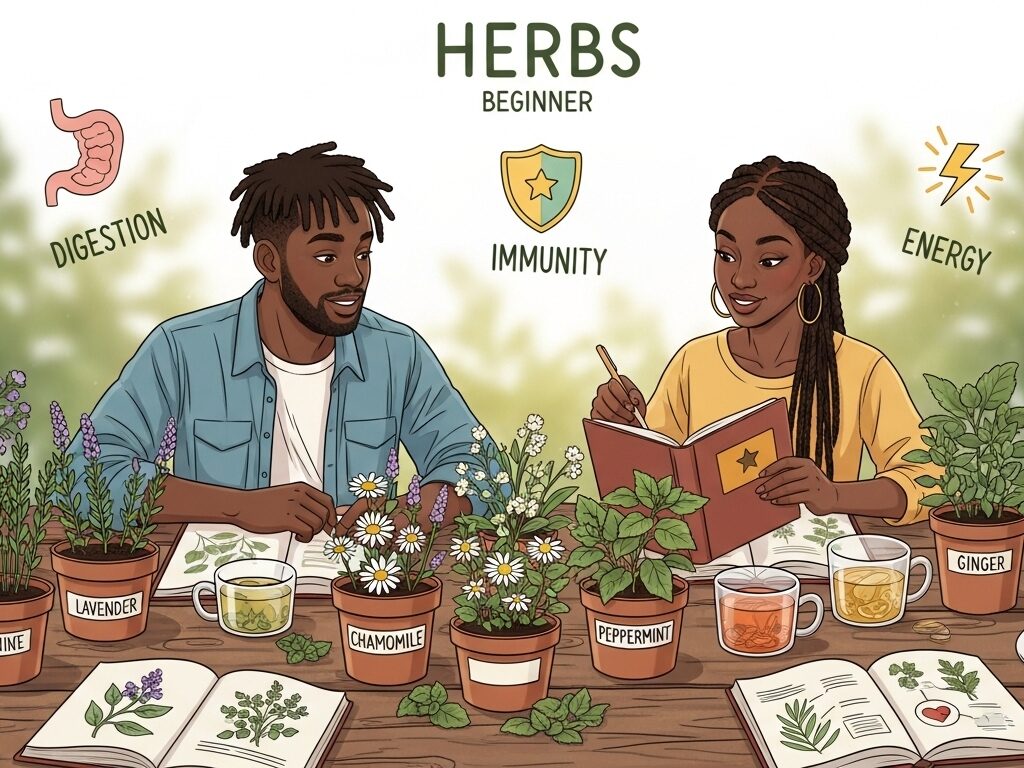
Herbal Medicine 101: A Beginner’s Guide to Natural Healing for Men and Women

Learn what herbal medicine is, how it works, and how beginners can safely use natural remedies for everyday wellness.

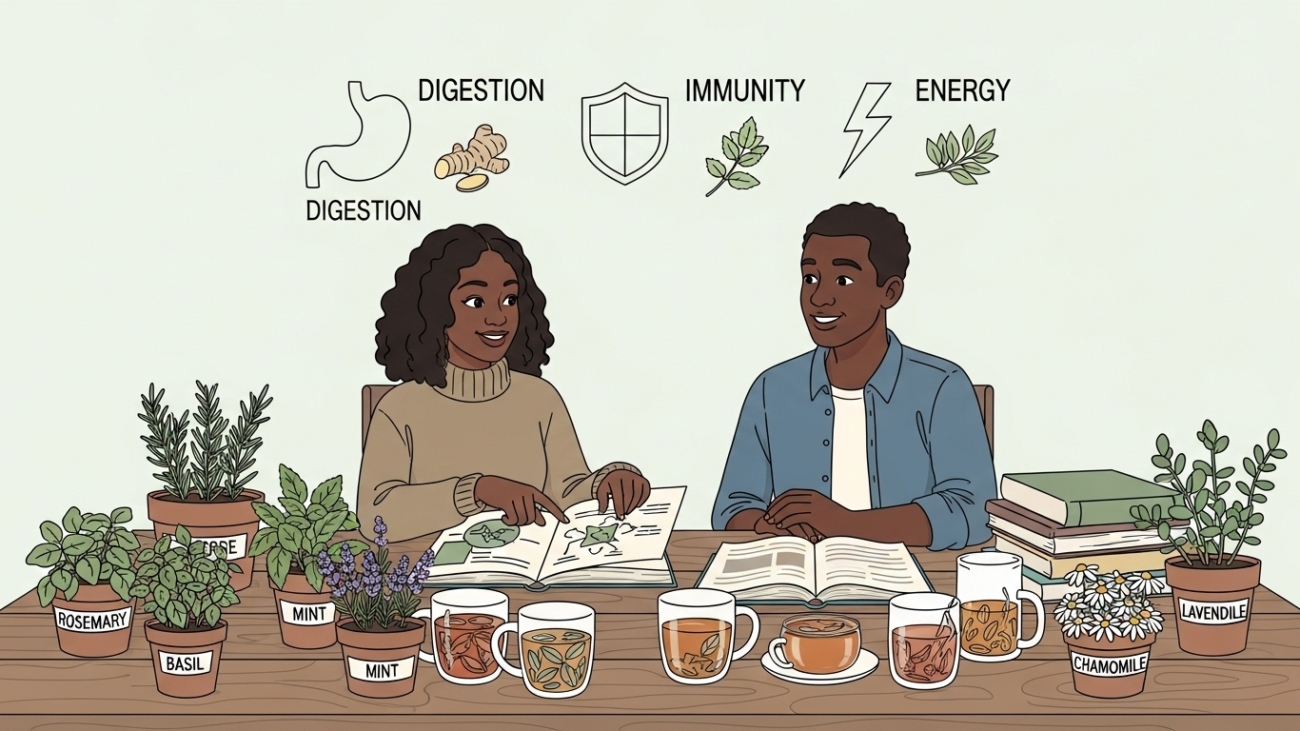
Herbal medicine has been used for thousands of years to support health, restore balance, and promote overall well-being. Yet for many people today—especially beginners—the world of herbs can feel confusing, overwhelming, or even intimidating.

If you’ve ever asked, “What is herbal medicine?” or wondered whether natural remedies really work for modern lifestyles, this guide is for you. In this beginner-friendly article, we’ll break down the basics of herbal medicine, explain how it supports men and women differently, and show how you can safely start your herbal wellness journey with confidence.


🌿 What Is Herbal Medicine?

Herbal medicine is the practice of using plants—or parts of plants such as roots, leaves, seeds, flowers, and bark—for health and wellness purposes. These plants contain natural compounds that support the body’s systems, including digestion, immunity, hormonal balance, and stress management.

Unlike synthetic drugs that often target a single symptom, herbal medicine works holistically, supporting the body’s natural ability to heal and maintain balance.

Common forms of herbal medicine include:

  • Herbal teas
  • Capsules and tablets
  • Liquid extracts and tinctures
  • Herbal powders and blends

🌱 How Herbal Medicine Works in the Body

Herbs interact with the body gently but effectively. They may:

  • Reduce inflammation
  • Support immune defenses
  • Improve digestion and metabolism
  • Help the body manage stress
  • Support hormonal balance

For example:

  • Turmeric supports joint health and inflammation
  • Ginger aids digestion and circulation
  • Chamomile promotes relaxation and sleep
  • Peppermint soothes the digestive system

These benefits make herbal medicine suitable for both men and women across different stages of life.


👩‍🦰👨‍🦱 Herbal Medicine for Men and Women: Is There a Difference?

While many herbs benefit everyone, some herbs are especially supportive of gender-specific needs.

For Women:

  • Hormonal balance
  • Menstrual comfort
  • Stress management
  • Digestive and immune health

For Men:

  • Energy and stamina
  • Muscle recovery
  • Inflammation control
  • Metabolic and cardiovascular support

The beauty of herbal medicine is its flexibility—it can be tailored to individual needs, lifestyles, and health goals.


🍵 Herbal Teas: The Easiest Way to Start

For beginners, herbal tea is often the simplest and safest entry point into herbal medicine.

Benefits of herbal teas:

  • Easy to prepare
  • Gentle on the body
  • Hydrating and calming
  • Suitable for daily use

Popular beginner-friendly herbal teas include:

  • Ginger tea for digestion
  • Turmeric tea for inflammation
  • Chamomile tea for relaxation
  • Peppermint tea for gut comfort

Drinking herbal tea daily helps introduce herbs into your routine without complexity.


🌿 Traditional Wisdom Meets Modern Wellness

Herbal medicine is not outdated—it’s evolving. Modern botanical science now enhances traditional herbal remedies through:

  • Standardized dosing
  • Quality control testing
  • Improved absorption techniques

This means today’s herbal products are safer, more reliable, and easier to use than ever before.


🧘‍♀️ Why People Choose Herbal Medicine Today

More people are turning to herbal solutions because they:

  • Prefer natural wellness options
  • Want fewer side effects
  • Seek long-term health support
  • Desire balance, not quick fixes

Herbal medicine supports daily wellness, not just illness treatment.


🌱 How to Start Your Herbal Journey Safely

If you’re new to herbal medicine:

  1. Start with simple herbs or teas
  2. Use one product at a time
  3. Follow recommended dosages
  4. Listen to your body
  5. Choose reputable herbal brands

Consistency matters more than quantity.


🌿 Conclusion: A Gentle Path to Natural Healing

Herbal medicine offers a natural, time-tested approach to wellness that fits modern life beautifully. Whether you’re seeking better digestion, reduced stress, or daily balance, herbs provide gentle support for both men and women.

Ready to explore herbal wellness?
Discover our carefully crafted herbal teas and botanical products—designed to make natural healing simple, safe, and effective for beginners.


11

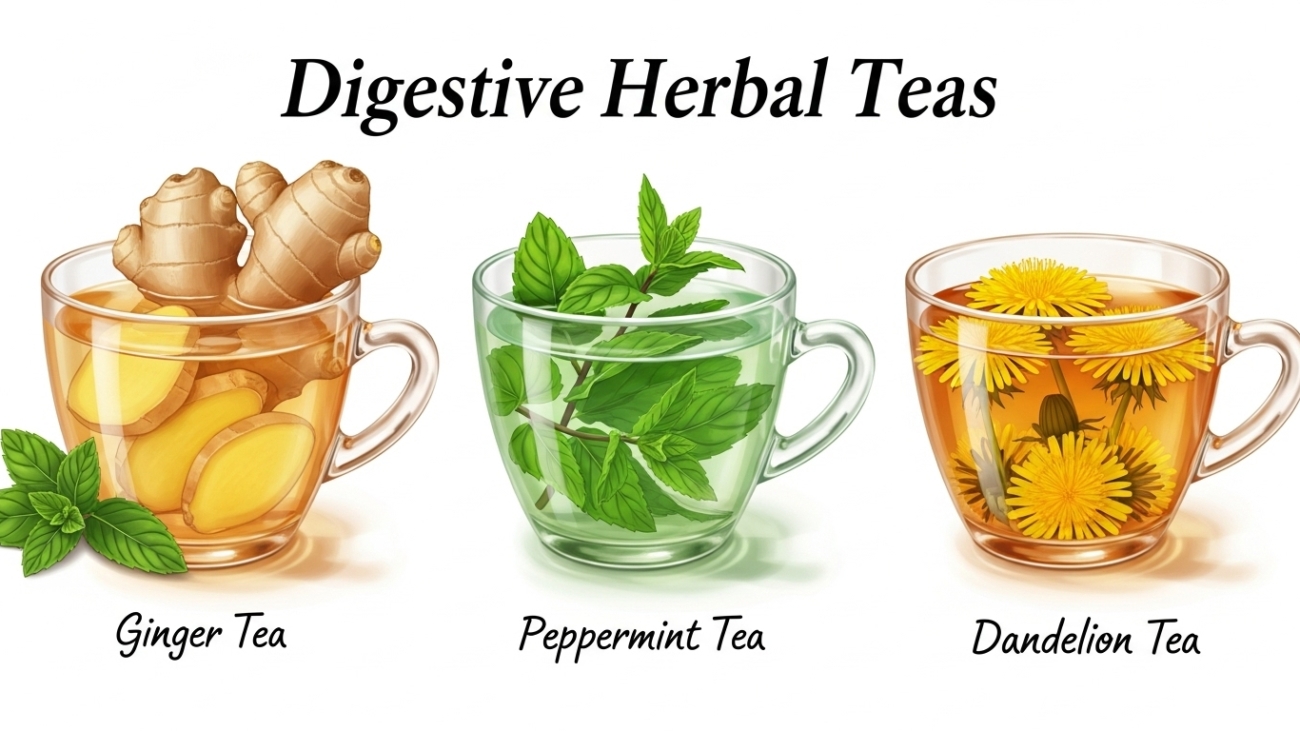
Digestive Herbal Teas Explained: Ginger, Peppermint, and Dandelion for Gut Health

Learn how ginger, peppermint, and dandelion herbal teas support digestion, reduce bloating, and promote natural gut health.

Digestive discomfort is one of the most common wellness concerns affecting both women and men. From bloating and indigestion to sluggish digestion and post-meal discomfort, gut health plays a critical role in how we feel every day.

One of the gentlest and most effective ways to support digestion is through digestive herbal teas. Herbs like ginger, peppermint, and dandelion have been used for centuries to soothe the digestive system, improve gut function, and restore balance naturally.

In this guide, we’ll explain how these powerful herbal teas work, their unique benefits for gut health, and how to incorporate them into your daily routine for lasting digestive comfort.


🌿 Why Digestive Health Matters

Your digestive system does more than break down food—it influences:

  • Nutrient absorption
  • Energy levels
  • Immune function
  • Hormonal balance
  • Mental clarity

When digestion is impaired, symptoms such as bloating, gas, constipation, or discomfort can affect overall well-being. Supporting gut health naturally helps the body function more efficiently from the inside out.


🍵 Why Herbal Tea Is Ideal for Digestive Support

Herbal tea is one of the safest and most accessible ways to improve digestion.

Benefits of Digestive Herbal Teas:

  • Gentle on the stomach
  • Hydrating and calming
  • Easy to use daily
  • Minimal side effects
  • Supports natural digestive rhythms

Unlike harsh laxatives or synthetic aids, herbal teas work with your body to promote balance rather than forcing results.


🌶 Ginger Tea: A Powerful Digestive Stimulator

Ginger is one of the most well-known digestive herbs, prized for its warming and stimulating properties.

Digestive Benefits of Ginger Tea:

  • Stimulates digestive enzymes
  • Reduces bloating and gas
  • Eases nausea and stomach discomfort
  • Supports gut motility

Ginger tea is especially helpful:

  • After heavy meals
  • During digestive sluggishness
  • For people prone to nausea

Its warming nature helps activate digestion, making it ideal for morning or post-meal use.


🌿 Peppermint Tea: Soothing and Refreshing for the Gut

Peppermint is widely recognized for its calming effect on the digestive tract.

How Peppermint Tea Supports Digestion:

  • Relaxes intestinal muscles
  • Reduces gas and bloating
  • Helps relieve stomach cramps
  • Supports digestive comfort

Peppermint tea is particularly useful for:

  • Bloating and gas
  • Irritable digestion
  • Post-meal discomfort

Its refreshing taste also makes it one of the most enjoyable digestive teas to drink regularly.


🌼 Dandelion Tea: Gentle Detox and Digestive Support

Dandelion is often overlooked but plays a powerful role in digestive and liver health.

Benefits of Dandelion Tea for Gut Health:

  • Stimulates bile production
  • Supports liver detoxification
  • Improves fat digestion
  • Helps reduce water retention

Because digestion and liver function are closely connected, dandelion tea supports the body’s natural cleansing and digestive processes.

This makes it ideal for:

  • Sluggish digestion
  • Feeling heavy or bloated
  • Supporting gut health long-term

🌱 How Ginger, Peppermint & Dandelion Work Together

While each herb is effective on its own, combining them creates a well-rounded digestive tea blend.

Synergistic Digestive Benefits:

  • Ginger stimulates digestion
  • Peppermint soothes the gut
  • Dandelion supports detox and bile flow

Together, they:

  • Reduce bloating
  • Improve nutrient absorption
  • Promote regular digestion
  • Support overall gut balance

This combination is ideal for daily digestive support.


🕰 When & How to Drink Digestive Herbal Teas

Timing plays an important role in digestive effectiveness.

Best Times to Drink Digestive Tea:

  • After meals – to ease digestion and prevent bloating
  • In the morning, to stimulate digestive function
  • In the evening, for gentle gut support

Recommended Use:

  • 1–2 cups daily
  • Steep for 5–10 minutes
  • Drink warm for best results

Consistency leads to better long-term digestive health.


🧘‍♀️ Digestive Tea for Women & Men

Digestive herbal teas benefit everyone, but may be especially helpful for:

  • Women experiencing bloating during hormonal changes
  • People with sedentary lifestyles
  • Fitness enthusiasts managing high-protein diets
  • Individuals new to herbal wellness

Because these herbs are gentle, they are suitable for daily use by both men and women.


🌿 Digestive Herbal Tea vs Supplements

While digestive supplements can be effective, herbal tea offers added advantages:

  • Hydration + digestion in one
  • Easier absorption
  • Lower risk of irritation
  • Relaxing ritual effect

For beginners, tea is often the safest and most enjoyable way to support gut health naturally.


🌱 Choosing High-Quality Digestive Herbal Teas

For best results, choose herbal teas that:

  • Use pure, natural herbs
  • Avoid artificial flavors and additives
  • Clearly list ingredients
  • Are blended specifically for digestion support

Quality matters when it comes to herbal effectiveness.


🌿 Conclusion: A Simple, Natural Path to Better Digestion

Digestive herbal teas made with ginger, peppermint, and dandelion offer a gentle yet powerful way to support gut health naturally. Whether you’re dealing with bloating, sluggish digestion, or simply want to maintain digestive balance, these time-tested herbs provide daily support without harsh side effects.

Ready to support your digestion naturally?
Explore our carefully crafted digestive herbal tea blends—designed to soothe, support, and restore gut health one cup at a time.

13

Managing Blood Sugar Naturally: Herbal Treatments That Support Metabolic Health

Learn how herbal treatments support blood sugar balance and metabolic health naturally without harsh side effects.

Maintaining healthy blood sugar levels is essential for long-term wellness, energy, and overall metabolic health. Yet for many people, especially adults managing busy lifestyles, blood sugar imbalance has become increasingly common. Symptoms such as fatigue, cravings, weight fluctuations, and low energy can affect daily life and overall health.

While conventional treatments play an important role, many people are now exploring natural alternatives to support metabolic balance. Herbal treatments for blood sugar support offer gentle, plant-based solutions that work alongside the body’s natural processes.

This article explores how herbal remedies can help support blood sugar balance and metabolic health safely and naturally.


🌿 Understanding Blood Sugar & Metabolic Health

Blood sugar (glucose) is the body’s main source of energy. When levels rise and fall too frequently, it can strain the body’s metabolic system.

Imbalanced blood sugar may lead to:

  • Energy crashes
  • Increased cravings
  • Difficulty managing weight
  • Fatigue after meals

Supporting metabolic health helps the body process nutrients efficiently and maintain steady energy throughout the day.


🍃 Why Choose Herbal Support for Blood Sugar Balance?

Herbal remedies have long been used to support metabolism and energy regulation. Unlike harsh interventions, herbs:

  • Work gently and gradually
  • Support multiple body systems
  • Are suitable for long-term wellness routines
  • Encourage balance rather than forcing change

Herbal treatments are especially appealing for people seeking preventive and supportive care.


🌱 Key Herbs That Support Blood Sugar Balance

Turmeric

Turmeric supports inflammation balance, which plays a role in metabolic health. Its active compound helps the body respond better to metabolic stress.

Ginger

Ginger supports digestion and circulation, helping the body process food efficiently and reduce post-meal discomfort.

Cinnamon (Herbal Use)

Traditionally used to support healthy glucose metabolism and reduce sugar cravings.

Dandelion

Supports liver function, which is closely linked to blood sugar regulation and fat metabolism.

When combined, these herbs help support steady energy and metabolic balance.


🍵 Herbal Teas for Metabolic Support

Herbal tea is one of the simplest ways to support blood sugar naturally.

Benefits of Herbal Tea for Metabolism:

  • Hydration supports metabolic processes
  • Gentle absorption of herbal compounds
  • Helps reduce sugar cravings
  • Encourages mindful eating habits

Metabolic-support tea blends often include turmeric, ginger, and dandelion for daily balance.


🕰 Practical Tips for Using Herbal Treatments

To support blood sugar naturally:

  • Drink herbal tea after meals
  • Maintain consistent daily routines
  • Combine herbal use with balanced meals
  • Stay physically active

Herbal support works best when paired with lifestyle awareness.


🌿 Herbal Support vs Synthetic Solutions

Herbal treatments do not replace medical care but can:

  • Complement healthy routines
  • Support long-term balance
  • Reduce reliance on multiple supplements

For people managing metabolic health, herbs offer a supportive and sustainable option.


🌱 Conclusion: Supporting Metabolic Health Naturally

Managing blood sugar doesn’t have to rely on harsh solutions alone. Herbal treatments provide gentle, effective support for metabolic health—helping the body maintain balance, energy, and long-term wellness naturally.

Looking for natural metabolic support?
Explore our herbal products designed to support balanced energy and healthy metabolism as part of your daily routine.

14

Herbal Support for Women’s Reproductive Health: Natural Approaches to Hormonal Imbalance

Discover natural herbal approaches to support women’s reproductive health and hormonal balance safely and effectively.

Hormonal balance is central to women’s reproductive health, influencing everything from menstrual cycles and mood to energy, digestion, and overall well-being. From PMS and irregular cycles to stress-related imbalances, hormonal disruptions are common—especially for women aged 30–50.

Herbal medicine offers natural approaches to hormonal imbalance, providing gentle, supportive solutions that respect the body’s natural rhythms. This guide explores how herbal remedies can support women’s reproductive health safely and holistically.


🌸 Understanding Hormonal Imbalance in Women

Hormonal imbalance can occur due to:

  • Stress and lifestyle factors
  • Nutritional deficiencies
  • Age-related hormonal changes
  • Poor sleep and digestion

Common symptoms include:

  • Irregular or painful cycles
  • Mood swings and anxiety
  • Fatigue
  • Bloating and discomfort

Herbal support helps restore balance without forcing hormonal shifts.


🌿 Why Herbal Remedies Work for Reproductive Health

Herbs support the endocrine system by:

  • Calming stress responses
  • Supporting liver detox pathways
  • Encouraging hormonal communication
  • Nourishing reproductive organs

Rather than overriding hormones, herbs help the body regulate itself naturally.


🌱 Key Herbs for Women’s Hormonal Balance

Turmeric

Supports inflammation balance and overall reproductive comfort.

Ginger

Improves circulation and eases menstrual discomfort.

Chamomile

Promotes relaxation and supports emotional well-being during hormonal shifts.

Lemon Balm

Helps reduce stress and supports mood stability.

Raspberry Leaf

Traditionally used to support menstrual health and reproductive tone.

These herbs are often blended into teas and botanical formulas designed for women.


🍵 Herbal Teas for Women’s Reproductive Wellness

Herbal tea is one of the safest ways to support hormonal health.

Benefits of Herbal Tea for Women:

  • Gentle daily support
  • Helps manage PMS symptoms
  • Supports emotional balance
  • Encourages relaxation and hydration

Drinking hormone-support tea regularly helps align the body with its natural cycles.


🌼 Herbal Support for PMS & Cycle Comfort

Herbal remedies can help:

  • Ease cramps and bloating
  • Reduce irritability
  • Support digestion during menstruation

Regular use before and during cycles promotes smoother hormonal transitions.


🧘‍♀️ Stress, Hormones & Herbal Balance

Stress significantly impacts reproductive hormones. Herbal remedies help by:

  • Calming the nervous system
  • Supporting cortisol balance
  • Improving sleep quality

This makes herbs an essential part of holistic women’s wellness.


🌿 Safety & Long-Term Use

Herbal remedies are generally safe when:

  • Used consistently and correctly
  • Sourced from trusted brands
  • Matched to individual needs

Women who are pregnant or on medication should seek professional advice.


🌱 Conclusion: A Natural Path to Women’s Hormonal Balance

Herbal support offers women a gentle, effective way to nurture reproductive health and restore hormonal balance naturally. Through consistent use, herbs help support cycles, mood, and overall vitality—without harsh side effects.

Ready to support your reproductive wellness naturally?
Explore our herbal teas and botanical products, thoughtfully crafted for women’s hormonal balance and long-term well-being.

15

The Powerful Benefits of Herbal Products: A Natural Wellness Guide for Men and Women

In recent years, more people are turning toward herbal medicine and natural wellness solutions to support their health in a gentle, sustainable way. From boosting energy levels to improving digestion, strengthening immunity, and managing daily stress, herbal products have become an essential part of modern wellness routines for both men and women.

At Herbivr, herbal wellness is rooted in a blend of traditional knowledge and modern understanding, offering natural options that support the body’s ability to restore balance. This guide explores the key benefits of herbal products, how they work in everyday life, and why more people are choosing herbal tea and botanical remedies as part of their long-term health journey.


What Are Herbal Products and Why Are They Gaining Popularity?

Herbal products are made from plants, roots, leaves, seeds, and flowers that have been traditionally used for centuries to promote health and prevent illness. These include herbal teas, powders, capsules, tonics, and topical preparations.

Unlike synthetic solutions that often focus on symptoms alone, herbal medicine works holistically, supporting the body’s natural systems such as digestion, immunity, circulation, and hormonal balance.

Why people choose herbal wellness today:

  • Growing awareness of natural health solutions
  • Desire for gentle, plant-based support
  • Long-term wellness rather than quick fixes
  • Fewer side effects when used responsibly

This shift has made herbal tea for health and botanical products a trusted choice for many families.


1. Herbal Medicine Benefits for Energy and Vitality

One of the most common reasons people explore herbal products is to increase energy naturally without relying on stimulants.

Certain herbs are known to support:

  • Improved circulation
  • Reduced fatigue
  • Better nutrient absorption

Herbal blends containing roots and leaves traditionally used for vitality can help men and women maintain consistent energy levels throughout the day—without the crashes associated with sugary drinks or excessive caffeine.

Real-world use:
Many professionals and active individuals incorporate herbal teas into their morning or afternoon routine to stay energized and focused.


2. Strengthening Immunity with Herbal Products

A strong immune system is the foundation of good health. Herbal medicine has long been used to support immune defense, especially during seasonal changes or periods of stress.

Herbal products may help by:

  • Supporting the body’s natural defense mechanisms
  • Promoting detoxification
  • Reducing inflammation

Regular use of immune-supporting herbal tea for health can be a simple yet effective way to care for your body year-round.

Practical tip:
Drinking herbal tea consistently—rather than occasionally—helps maximize its long-term benefits.


3. Digestive Health and Gut Balance Through Herbal Wellness

Digestive discomfort affects both men and women and can impact energy, mood, and immunity. Herbal wellness approaches digestion gently by supporting the gut rather than forcing quick relief.

Herbal products for digestion may help:

  • Reduce bloating and discomfort
  • Support healthy bowel movement
  • Improve nutrient absorption

At Herbivr, digestion-focused herbal solutions are designed to work with the body’s rhythm, making them suitable for daily wellness routines.


4. Herbal Products for Stress Relief and Mental Balance

Stress has become a common part of modern life. When unmanaged, it can affect sleep, digestion, hormones, and immunity. Herbal medicine offers natural stress-relief support without creating dependency.

Certain herbal teas are traditionally used to:

  • Promote relaxation
  • Support restful sleep
  • Calm the nervous system

This makes herbal wellness especially beneficial for individuals balancing work, family, and personal responsibilities.

For men and women alike, stress-supporting herbs encourage emotional balance and mental clarity.


5. Hormonal and Reproductive Wellness Support

Hormonal balance is essential for both men and women, though it is often discussed only in relation to women’s health. Herbal products can support hormonal wellness by promoting internal balance rather than overriding natural processes.

Herbal medicine may support:

  • Women during PMS or menopause
  • Men experiencing fatigue or hormonal shifts
  • Overall endocrine balance

Herbal tea blends designed for hormonal support are gentle, nourishing, and suitable for long-term use.


6. Long-Term Wellness: Why Herbal Products Are a Sustainable Choice

One major advantage of herbal medicine is its focus on long-term health. Instead of short-term symptom suppression, herbal wellness emphasizes consistency, prevention, and balance.

Why herbal products fit everyday life:

  • Easy to incorporate into daily routines
  • Cost-effective over time
  • Suitable for both men and women
  • Can complement healthy lifestyle choices

Herbal tea, in particular, offers a simple daily ritual that supports overall well-being.


How to Use Herbal Products Safely and Effectively

While herbal medicine is natural, responsible use is essential. Quality, dosage, and guidance matter.

Best practices include:

  • Choosing trusted herbal clinics and products
  • Following recommended usage instructions
  • Being consistent rather than excessive
  • Seeking professional guidance when needed

At Herbivr, herbal solutions are offered with education and care, ensuring users feel confident and informed.


Conclusion: Embracing Herbal Wellness for Everyday Health

The benefits of herbal medicine extend far beyond temporary relief. From energy and immunity to digestion, stress management, and hormonal balance, herbal products provide a natural pathway to total wellness for both men and women.

By choosing herbal tea for health and botanical products, you are investing in a gentler, more sustainable approach to caring for your body—one that aligns with nature and supports long-term vitality.

🌿 If you’re ready to explore natural wellness, consider discovering carefully prepared herbal products and teas designed to support your everyday health journey.

17

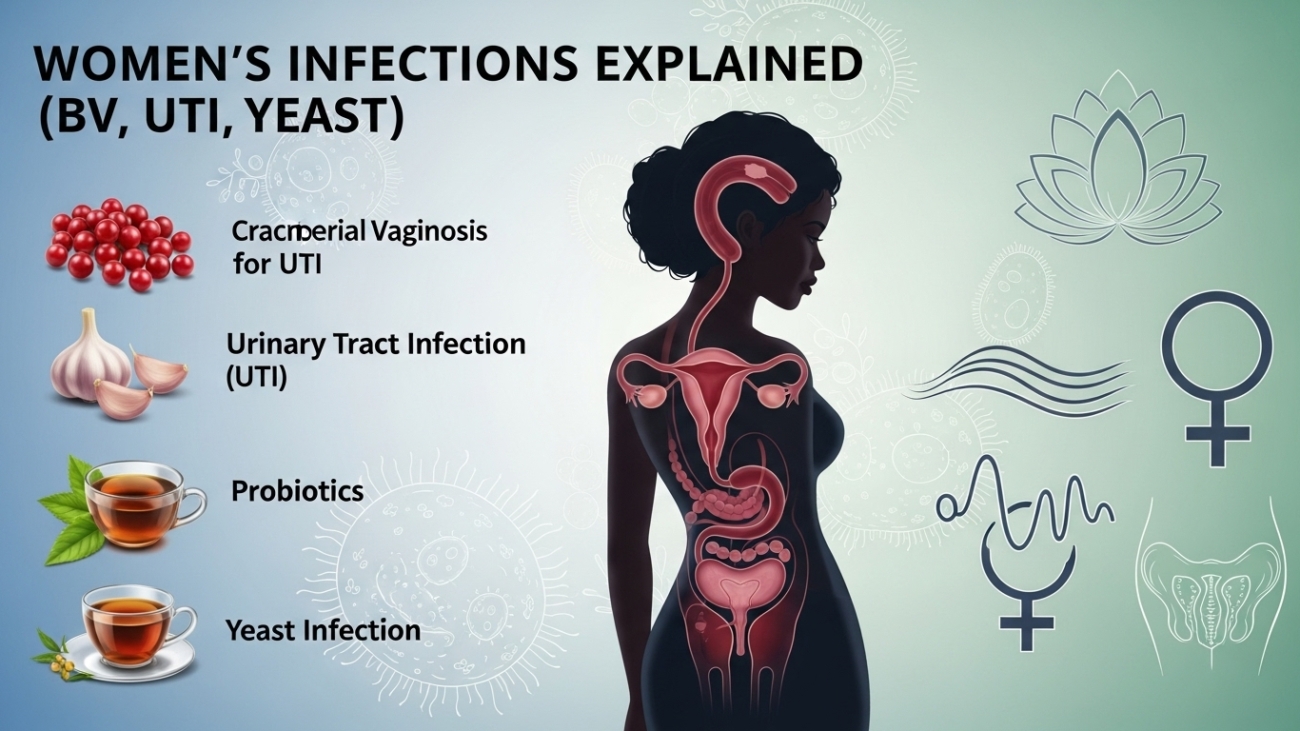
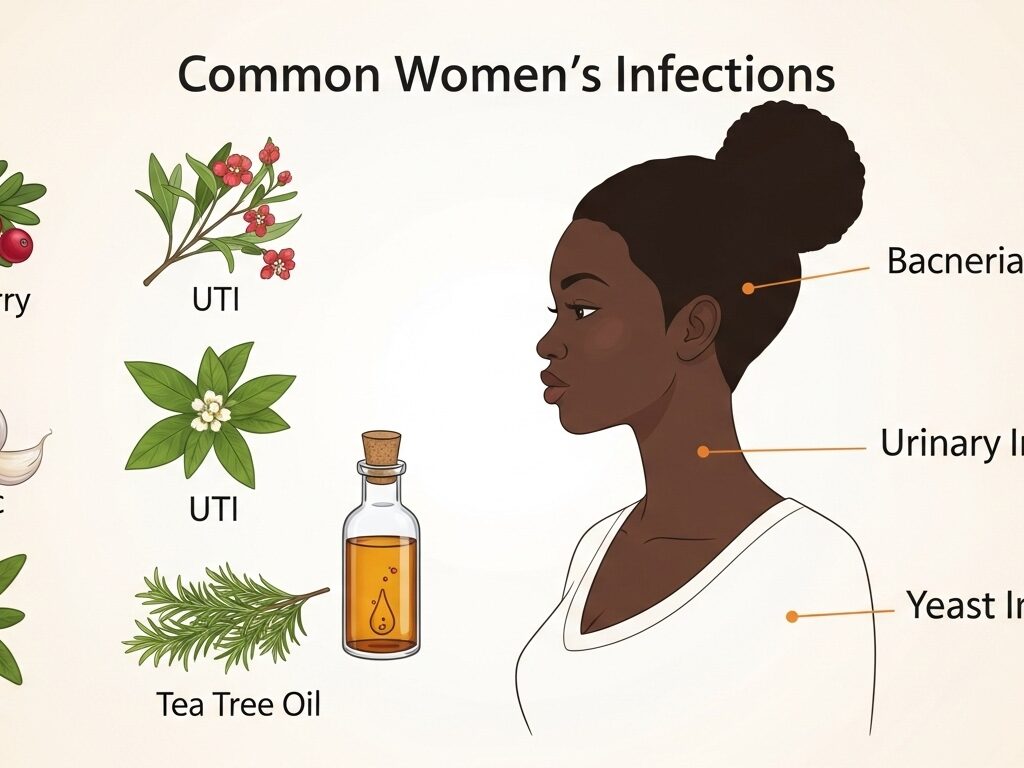
Women’s Infections Explained: How Herbal Solutions Support BV, UTI, and Yeast Balance Naturally

Women’s intimate health challenges are more common than many people realize. Conditions such as Bacterial Vaginosis (BV), Urinary Tract Infections (UTIs), and Candida yeast infections affect millions of women worldwide—often repeatedly. Beyond physical discomfort, these infections can impact emotional well-being, confidence, relationships, and overall quality of life.

At Herbivr Herbal Clinic, we understand that women deserve gentle, natural, and holistic solutions that address the root causes of these infections—not just temporary relief. This article explores how women’s infections develop, the damage they can cause when left unmanaged, and how herbal wellness approaches can support long-term balance and healing.


Understanding Common Women’s Infections

1. Bacterial Vaginosis (BV)

BV occurs when the natural balance of bacteria in the vagina is disrupted. Instead of healthy bacteria dominating, harmful bacteria overgrow.

Common symptoms include:

  • Unusual vaginal discharge
  • Strong or fishy odor
  • Vaginal discomfort or irritation

Why BV is dangerous if ignored:
Untreated BV can increase the risk of recurrent infections, pelvic inflammatory disease, and complications during pregnancy. It may also affect intimacy and self-esteem.


2. Urinary Tract Infections (UTIs)

UTIs occur when bacteria enter the urinary system, affecting the bladder, urethra, or kidneys.

Symptoms may include:

  • Pain or burning during urination
  • Frequent urge to urinate
  • Lower abdominal pain
  • Cloudy or strong-smelling urine

Long-term impact:
Repeated UTIs can weaken bladder health, disrupt daily life, and in severe cases, affect kidney function.


3. Candida (Yeast) Infections

Candida yeast infections result from an overgrowth of naturally occurring yeast in the body.

Triggers often include:

  • Antibiotic overuse
  • High sugar diets
  • Hormonal imbalance
  • Stress or weakened immunity

Effects on women:
Chronic yeast infections can cause discomfort, itching, inflammation, and emotional distress—especially when they recur frequently.


How These Infections Affect Women Beyond Physical Symptoms

Women’s infections don’t just cause discomfort—they often lead to deeper challenges:

  • Reduced confidence and intimacy concerns
  • Emotional stress and anxiety
  • Disruption to work and daily activities
  • Financial strain from repeated treatments

Many women report frustration after trying multiple solutions that only provide temporary relief, leading them to seek natural wellness alternatives.


Why Herbal Wellness Is Gaining Trust in Women’s Health

Herbal medicine has been used for generations to support women’s reproductive and urinary health. Unlike approaches that target symptoms alone, herbal products work holistically, supporting the body’s natural ability to restore balance.

Benefits of herbal solutions include:

  • Supporting healthy vaginal flora
  • Promoting urinary tract cleansing
  • Strengthening immune response
  • Reducing inflammation naturally

This is why many women now turn to herbal medicine benefits as part of their long-term wellness routine.


How Herbivr Herbal Clinic Supports Women Naturally

At Herbivr, our approach to women’s infections is rooted in care, education, and balance. We offer herbal products carefully formulated to support the body’s natural healing processes.

Our Herbal Approach Focuses On:

  • Restoring natural bacterial balance
  • Supporting detoxification and cleansing
  • Strengthening immunity
  • Preventing frequent recurrence

Our herbal products are designed for women experiencing:

  • Recurrent BV
  • Frequent UTIs
  • Chronic yeast infections
  • General vaginal and urinary discomfort

Real-Life Experiences from Women at Herbivr Clinic

Many women who visit Herbivr share similar stories—years of discomfort, repeated infections, and frustration with short-term solutions.

Some common feedback includes:

  • Improved comfort and freshness
  • Reduced frequency of recurring infections
  • Better confidence and peace of mind
  • Enhanced understanding of their body’s needs

While results vary from person to person, these experiences reinforce the value of consistent herbal wellness support.


Daily Habits That Support Herbal Healing

Herbal products work best when combined with healthy lifestyle choices. Women are encouraged to support their healing journey by:

  • Staying well-hydrated
  • Reducing excess sugar intake
  • Maintaining good hygiene practices
  • Managing stress levels
  • Following recommended herbal usage consistently

This holistic approach improves outcomes and promotes long-term wellness.


Are Herbal Products Safe for Women’s Infections?

When sourced responsibly and used correctly, herbal products are generally well-tolerated. At Herbivr, emphasis is placed on:

  • Quality ingredients
  • Proper formulation
  • Guided usage

Women are encouraged to consult with herbal professionals, especially when dealing with recurring or persistent infections.


Why More Women Trust Herbivr for Herbal Wellness

Herbivr Herbal Clinic stands out because of its:

  • Focus on women’s health and balance
  • Natural, plant-based wellness philosophy
  • Education-driven approach
  • Commitment to long-term results

Rather than offering quick fixes, Herbivr provides herbal solutions that support lasting change.


Conclusion: A Natural Path to Women’s Intimate Wellness

BV, UTIs, and yeast infections can deeply affect a woman’s life—but they don’t have to define it. With the right knowledge, support, and herbal wellness solutions, many women are reclaiming comfort, confidence, and control over their health.

🌿 If you’re seeking a natural approach to women’s intimate health, Herbivr’s herbal products are designed to support balance, healing, and long-term wellness—gently and effectively.

19

Men’s Infections and Health Conditions Explained: How Herbal Solutions Support Male Wellness Naturally

Men’s health issues are often overlooked or ignored until they begin to interfere with daily life, work performance, confidence, and relationships. Infections and conditions such as urinary tract infections (UTIs), sexually transmitted infections (STIs), prostate-related issues, candida overgrowth, and chronic inflammation affect many men, yet are rarely discussed openly.

At Herbivr Herbal Clinic, we believe men deserve safe, natural, and effective wellness support that addresses the root causes of these conditions rather than masking symptoms. This article explores common men-focused infections, the damage they can cause if unmanaged, and how herbal medicine and botanical products can support healing and long-term vitality.


Common Infections and Health Challenges Affecting Men

1. Urinary Tract Infections (UTIs) in Men

Although UTIs are more common in women, men are not immune—especially as they age or experience prostate-related issues.

Common symptoms include:

  • Burning sensation during urination
  • Frequent or urgent urination
  • Lower abdominal or pelvic pain
  • Cloudy or strong-smelling urine

Why it matters:
If left unmanaged, UTIs in men can lead to prostate involvement, kidney complications, and recurring urinary discomfort.


2. Prostate-Related Infections and Inflammation

The prostate plays a vital role in male reproductive and urinary health. Inflammation or infection of the prostate can significantly affect quality of life.

Possible signs include:

  • Difficulty urinating
  • Weak urine flow
  • Pelvic or lower back pain
  • Discomfort during ejaculation

Long-term impact:
Chronic prostate inflammation may contribute to sexual dysfunction, urinary problems, and ongoing discomfort if not properly managed.


3. Candida (Yeast Overgrowth) in Men

Candida is not only a woman’s issue. Men can experience yeast overgrowth, particularly due to poor diet, antibiotic use, stress, or weakened immunity.

Symptoms may include:

  • Skin irritation or itching
  • Digestive discomfort
  • Fatigue
  • Recurrent infections

When yeast overgrowth persists, it can disrupt digestion, immunity, and overall energy levels.


4. Sexually Transmitted Infections (STIs) and Reproductive Health

Some men experience recurring symptoms even after conventional treatment, including inflammation, discharge, discomfort, or weakness.

Why holistic support matters:
While medical care is essential, herbal wellness can support:

  • Immune strength
  • Inflammation control
  • Reproductive system balance

This combined approach helps the body recover more effectively.


How These Conditions Affect Men Beyond Physical Symptoms

Men’s infections and chronic conditions don’t only affect the body—they often impact:

  • Sexual confidence and performance
  • Emotional well-being
  • Work productivity
  • Relationships and self-esteem

Many men delay seeking help, allowing conditions to worsen. This is why early, natural support plays a crucial role in long-term wellness.


Why Herbal Medicine Is a Powerful Option for Men’s Health

Herbal medicine has been used across cultures to support male strength, vitality, and resilience. Unlike harsh approaches that may cause side effects, herbal products work with the body, promoting balance and restoration.

Key herbal medicine benefits for men include:

  • Supporting urinary tract health
  • Reducing inflammation naturally
  • Strengthening immune defenses
  • Enhancing energy and stamina

Herbal solutions are especially beneficial for men seeking natural wellness without dependency.


How Herbivr Herbal Clinic Supports Men Naturally

At Herbivr, men’s health is approached holistically. Our herbal products are formulated to support the body’s natural healing mechanisms while promoting long-term balance.

Our Herbal Focus for Men Includes:

  • Urinary tract cleansing and support
  • Prostate wellness
  • Immune system strengthening
  • Detoxification and inflammation management

Herbivr herbal solutions are suitable for men experiencing:

  • Recurrent UTIs
  • Prostate discomfort
  • Chronic fatigue linked to infections
  • Digestive and yeast-related imbalances

Men’s Experiences at Herbivr Herbal Clinic

Many men who visit Herbivr report a history of recurring symptoms, frustration, and temporary relief from previous solutions.

Common feedback from male clients includes:

  • Improved urinary comfort
  • Reduced inflammation and pain
  • Better energy levels
  • Increased confidence and vitality

While individual experiences vary, these outcomes highlight the value of consistent herbal wellness support.


Supporting Herbal Healing with Daily Habits

Herbal products work best when paired with healthy lifestyle choices. Men are encouraged to:

  • Stay hydrated
  • Reduce alcohol and excess sugar intake
  • Maintain good personal hygiene
  • Manage stress levels
  • Follow the herbal usage instructions consistently

This combination enhances results and promotes lasting wellness.


Are Herbal Products Safe for Men’s Infections and Conditions?

When properly formulated and responsibly used, herbal products are generally well-tolerated. At Herbivr, emphasis is placed on:

  • Quality botanical ingredients
  • Professional guidance
  • Safe and consistent use

Men with persistent symptoms are encouraged to seek expert advice and follow holistic wellness plans.


Why Men Choose Herbivr for Herbal Wellness

Men trust Herbivr Herbal Clinic because of its:

  • Natural, plant-based approach
  • Focus on long-term male vitality
  • Education-centered care
  • Commitment to holistic healing

Rather than short-term fixes, Herbivr offers herbal solutions that support strength, balance, and lasting health.


Conclusion: Reclaiming Men’s Health Through Herbal Wellness

Men’s infections and chronic conditions can affect every area of life—but with the right support, healing is possible. Herbal medicine offers a natural, effective pathway to restoring balance, strength, and confidence.

🌿 If you’re seeking a natural approach to men’s health, Herbivr’s herbal products are designed to support healing, vitality, and long-term wellness—naturally and responsibly.

21

Did You Know? Most Modern Medicines Came From Herbs

Did you know many modern medicines originated from herbs? Discover how people treated diseases naturally before modern technology.

Long before laboratories, pharmacies, and advanced medical technology existed, humans depended on nature for healing. Leaves, roots, barks, seeds, and flowers were carefully studied, prepared, and passed down through generations as trusted remedies.

In this Did You Know? series, we explore the fascinating truth about where modern medicine really began, how people treated illnesses before technology, and why herbal medicine still plays an important role in wellness today.


Before Technology, Nature Was the First Pharmacy

Thousands of years ago, there were:

  • No antibiotics
  • No painkillers
  • No diagnostic machines

Yet people survived, healed wounds, treated infections, managed pain, and supported childbirth—all through herbal knowledge.

Traditional healers, herbalists, and elders understood:

  • Which plants reduced inflammation
  • Which herbs fought infections
  • Which roots eased pain or fever
  • Which leaves support digestion and immunity

This knowledge formed the foundation of medicine as we know it today.


Did You Know Many English (Western) Medicines Are Plant-Based?

Modern pharmaceutical medicine didn’t appear overnight. In fact, many widely used drugs are synthetic versions of natural plant compounds.

Examples You May Not Know:

  • Aspirin was developed from compounds found in willow bark
  • Quinine, once used to treat malaria, came from the cinchona tree bark
  • Morphine was derived from the opium poppy
  • Digoxin, used for heart conditions, came from foxglove plants

Scientists didn’t invent healing from scratch—they studied herbs, isolated their active components, and recreated them in laboratories.


How Did People Treat Infections Before Antibiotics?

Before antibiotics, people relied on herbs with natural antimicrobial properties.

They used plants to:

  • Clean wounds
  • Treat fevers
  • Support the immune system
  • Reduce swelling and pain

Herbal preparations were made as:

  • Teas
  • Decoctions
  • Powders
  • Ointments

Many of these practices are still used today in traditional and holistic medicine systems around the world.


Pain Relief and Inflammation Before Modern Drugs

Pain management didn’t begin with tablets. Ancient healers used herbs to:

  • Reduce joint pain
  • Ease headaches
  • Calm menstrual discomfort
  • Support recovery after injury

Herbs with anti-inflammatory and calming properties were widely used to restore comfort and mobility—principles that modern pain medications still follow.


Why Herbal Medicine Still Matters Today

With all the advancements in technology, one might ask: Why are herbs still relevant?

The answer is simple—the body still responds to nature.

Herbal medicine continues to be valued because it:

  • Works with the body’s natural processes
  • Supports long-term wellness
  • Focuses on balance rather than quick fixes
  • Has centuries of traditional use

Today, many people are returning to herbal wellness to complement modern lifestyles and reduce over-reliance on synthetic solutions.


Modern Technology Meets Ancient Herbal Wisdom

While ancient healers relied on observation and experience, modern herbal clinics now combine:

  • Traditional herbal knowledge
  • Improved preparation methods
  • Quality control and safety practices

This blend allows herbal products to be more consistent, reliable, and accessible—without losing their natural essence.

At Herbivr, herbal wellness is approached with respect for both history and modern understanding, ensuring herbs are prepared responsibly to support everyday health.


Did You Know? Herbal Medicine Is the Root of Global Healthcare

From Africa to Asia, Europe to the Americas, every civilization developed its own herbal system:

  • Traditional African Medicine
  • Ayurveda
  • Traditional Chinese Medicine
  • Indigenous herbal practices

These systems laid the groundwork for global healthcare long before modern medicine emerged.


What This Means for Your Health Today

Understanding the roots of medicine helps us appreciate that:

  • Healing didn’t start with technology
  • Nature has always played a role in wellness
  • Herbal medicine is not new—it’s ancient wisdom rediscovered

For many people, incorporating herbal products and teas into daily life is a way to honor the past while caring for the present.


Conclusion: Nature Was the First Healer—and Still Is

Did you know that modern medicine owes much of its success to herbs? Before technology, nature provided healing—and today, herbal wellness continues to support balance, strength, and vitality.

🌿 Exploring herbal products is not about rejecting modern medicine—it’s about reconnecting with nature’s original healing wisdom in a responsible, informed way.

demo-attachment-1169-Lekaren_026-26613-original-protected-1

Herbal Medicine vs English Medicine: Understanding the Difference and Choosing What’s Right for You

Herbal medicine vs English medicine—learn the key differences, benefits, limitations, and how each supports health and wellness.

Introduction

When it comes to treating illnesses and maintaining good health, many people often ask:
Should I choose herbal medicine or English (Western) medicine?

Both systems have helped millions of people around the world, yet they operate in very different ways. Understanding their differences empowers you to make informed decisions about your health—especially if you’re seeking natural wellness solutions, long-term balance, or alternatives to conventional treatments.

In this article, we explore herbal medicine vs English medicine, how each works, their strengths and limitations, and why many people are now embracing a holistic approach that blends the best of both worlds.


What Is Herbal Medicine?

Herbal medicine is the use of plants, roots, leaves, seeds, bark, and flowers to support health and manage illness. It is one of the oldest forms of healthcare known to humanity.

Key Features of Herbal Medicine

  • Uses natural plant-based ingredients
  • Focuses on treating the root cause, not just symptoms
  • Supports the body’s natural healing ability
  • Emphasizes long-term balance and prevention

Herbal medicine has been used for centuries across cultures, including Traditional African Medicine, Ayurveda, and Traditional Chinese Medicine.


What Is English (Western) Medicine?

English medicine—also known as Western or conventional medicine—is based on scientific research, laboratory testing, and technological advancement.

Key Features of English Medicine

  • Uses synthesized drugs and medical procedures
  • Focuses on rapid symptom relief
  • Highly effective for emergencies and acute conditions
  • Strong diagnostic tools and standardized treatments

Many modern drugs are actually derived from plants but are processed, refined, and recreated in laboratories.


Key Differences Between Herbal Medicine and English Medicine

1. Approach to Healing

  • Herbal medicine works holistically, supporting the whole body.
  • English medicine targets specific symptoms or diseases directly.

2. Speed of Action

  • English medicine often works quickly, especially in acute cases.
  • Herbal medicine works gradually, focusing on long-term restoration.

3. Side Effects

  • Herbal products, when properly used, are generally gentler on the body.
  • English medicine may cause side effects, especially with long-term use.

4. Treatment Philosophy

  • Herbal medicine emphasizes prevention, balance, and wellness.
  • English medicine prioritizes diagnosis, treatment, and control of disease.

5. Cost and Accessibility

  • Herbal medicine is often more affordable for long-term care.
  • English medicine can be expensive due to tests, prescriptions, and hospital visits.

Did You Know? Many English Medicines Came From Herbs

Many conventional drugs originated from plants:

  • Aspirin from willow bark
  • Morphine from the opium poppy
  • Quinine from cinchona bark

This shows that herbal medicine is the foundation of modern pharmacology, not its opposite.


When English Medicine Is Most Useful

English medicine is essential for:

  • Emergency situations
  • Surgery and trauma care
  • Severe infections
  • Life-threatening conditions

It saves lives and remains irreplaceable in critical care.


When Herbal Medicine Excels

Herbal medicine is especially effective for:

  • Chronic conditions
  • Digestive issues
  • Hormonal imbalance
  • Immune support
  • Stress and fatigue
  • Preventive wellness

Many people turn to herbal products when they want gentler, sustainable solutions.


Can Herbal and English Medicine Work Together?

Yes. Increasingly, people are choosing a complementary approach.

When used responsibly:

  • English medicine handles urgent needs
  • Herbal medicine supports recovery, balance, and prevention

This integrative approach offers a more complete wellness strategy.


Herbivr’s Balanced Approach to Herbal Wellness

At Herbivr Herbal Clinic, we respect both traditional wisdom and modern understanding. Our herbal products are designed to:

  • Support the body naturally
  • Promote long-term wellness
  • Complement healthy lifestyle choices

We encourage informed decisions and responsible use of herbal solutions as part of a holistic health journey.


Which One Should You Choose?

The right choice depends on:

  • Your health condition
  • Your long-term wellness goals
  • Your body’s response
  • Professional guidance

Herbal medicine is not about rejecting English medicine—it’s about expanding your options.


Conclusion

Herbal medicine and English medicine are not enemies—they are different paths toward the same goal: better health. While English medicine excels in emergencies and acute care, herbal medicine offers gentle, natural support for long-term balance and wellness.

🌿 Understanding both empowers you to choose wisely and care for your body in a way that aligns with your values and needs.